Veneers for Stained Teeth: Can They Transform Your Smile?
Stained teeth can change the way people carry themselves. I have seen patients smile with their lips closed in photos, cover their mouth while speaking, or avoid bright lipstick and certain lighting because they know discoloration shows. Teeth do not need to be unhealthy to look older, darker, or uneven. Years of coffee, tea, red wine, tobacco, trauma, old dental work, certain medications, and even natural aging can leave a smile looking tired long before the rest of the face does.
That is where veneers enter the conversation. They are often discussed as a cosmetic shortcut, but that description misses the real issue. Veneers can be a powerful tool for stained teeth, especially when whitening has reached its limit or the color problem runs deeper than the surface. Still, they are not the right answer for every stain, every tooth, or every patient.
Whether veneers can truly transform your smile depends on the kind of staining you have, the health of your teeth, your bite, your expectations, and your willingness to maintain the result. The best cosmetic dentistry usually looks effortless from the outside, but it is built on careful planning and honest trade-offs.
Why stained teeth do not all behave the same way
One of the biggest misconceptions in cosmetic dentistry is that all discoloration can be handled with bleaching. Sometimes that is true. Surface stains from coffee, tea, smoking, and pigmented foods often respond well to professional cleaning and whitening. Those stains sit on or near the enamel surface, and they can lighten noticeably when the teeth are otherwise healthy.
The tougher cases are intrinsic stains, which sit within the tooth structure itself. These may come from tetracycline exposure during tooth development, fluorosis, trauma that darkens a single tooth, or age-related changes as enamel thins and the yellower dentin underneath becomes more visible. Some of these cases improve with whitening, but not enough to satisfy someone who wants a truly uniform smile.
This is usually the point where the conversation shifts from making teeth lighter to changing how teeth reflect light. Veneers do not merely bleach a tooth. They cover the visible front surface with a carefully designed layer of porcelain or composite, which means the dentist can control shape, brightness, translucency, and balance from tooth to tooth. For patients with stubborn discoloration, that difference matters.
What veneers actually do
A veneer is a thin shell bonded to the front of a tooth. Most high-end cosmetic cases use porcelain because it resists staining better than composite and reflects light in a way that feels more natural. Composite veneers can also be effective, especially when budget, speed, or minimal treatment is the priority, but they tend to wear and stain sooner.
The transformation can be dramatic, though the best veneer work rarely looks dramatic in person. It looks like a healthier version of the patient’s own smile. That distinction is important. Good veneers do not simply make teeth whiter. They can also correct visible asymmetry, close small gaps, improve chipped edges, and create a more harmonious tooth proportion. When discoloration comes with wear, uneven spacing, or old mismatched bonding, veneers can solve several aesthetic issues at once.
That multi-problem solution is one reason veneers are so appealing. A person may walk in asking for help with dark teeth, but the real concern often includes shape, alignment, and confidence. Whitening can only address one part of that picture.
When veneers make sense for stained teeth
Veneers are most compelling when the color problem is persistent, localized, or structurally tied to the tooth itself. A classic example is tetracycline staining, where the teeth may have gray, brown, or banded discoloration that resists bleaching. Another common situation is a single dark front tooth after trauma or root canal treatment. Whitening may reduce the contrast, but it often does not erase it. Veneers can mask the problem more predictably.
They also make sense when someone has tried whitening repeatedly and reached a plateau. Professional whitening can produce excellent results, but there are limits. Teeth are not paintable surfaces that can be pushed lighter forever. Some patients achieve a modest brightening and still feel disappointed because uneven tone, white spots, translucency at the edges, or old restorations remain obvious.
Age is another factor. Over time, enamel naturally wears, tiny cracks develop, and dentin becomes more visible. A smile can start to look dull even if the teeth are healthy. In those cases, veneers can restore brightness and vitality in a way whitening alone cannot.
There is also a practical category of patient who values efficiency. If https://blogfreely.net/jakleyqodw/veneers-and-oral-health-what-you-should-consider-first a person needs color correction plus minor reshaping, veneers can sometimes provide a more direct route than months of whitening, bonding maintenance, and piecemeal cosmetic work. That does not make veneers the easy option, but it does make them efficient when used for the right reasons.
When veneers are not the first step
It is just as important to know when not to use veneers. If staining is mild and largely external, a cleaning and professionally supervised whitening usually make more sense. Preserving natural enamel whenever possible is still the most conservative path.
Veneers may also be the wrong choice if the underlying problem is functional rather than cosmetic. Heavy grinding, edge-to-edge bite, untreated gum disease, active decay, and poor oral hygiene can all compromise the result. In those cases, cosmetic treatment should wait until the foundation is stable.
I have also seen patients pursue veneers because they are frustrated with one issue, only to realize during consultation that a less invasive option would have served them better. A person with a few white spot lesions after braces, for example, may benefit more from resin infiltration, microabrasion, whitening, or selective bonding. Someone with a single dark tooth may be a candidate for internal bleaching or one carefully matched restoration rather than a full veneer case.
The best cosmetic decisions are not driven by what is possible, but by what is appropriate.
The question patients usually mean to ask
When people ask whether veneers can transform their smile, they are usually asking three different questions at once. Will my teeth look whiter? Will they still look like my teeth? Will the result last?
The answer to the first question is often yes, and more predictably than whitening for deep discoloration. The second depends on the skill of the dentist and ceramist, as well as the patient’s own taste. The third depends on the material, preparation, bite forces, and maintenance habits.
These are not small details. Cosmetic dentistry is one of those fields where a technically acceptable result can still feel wrong if the proportions, texture, or brightness are off. Teeth that are too opaque can look flat. Teeth that are too white can dominate the face. Veneers that ignore gum line symmetry or lip movement may look artificial even when the color is beautiful.
A good cosmetic dentist spends time evaluating facial features, speaking patterns, gum display, and the way light hits the teeth. The laboratory matters too. High-level porcelain work is part dentistry and part craftsmanship.
What the process usually looks like
The veneer process is more deliberate than many people expect. It often starts with records, photographs, bite analysis, and a discussion about goals. This is where an experienced dentist will ask useful questions. Do you want a brighter version of your current smile, or a more polished redesign? Are you hoping for subtle change, or is your priority complete masking of dark stains? Do you want your teeth to look youthful, with a little translucency and texture, or more uniform and polished?
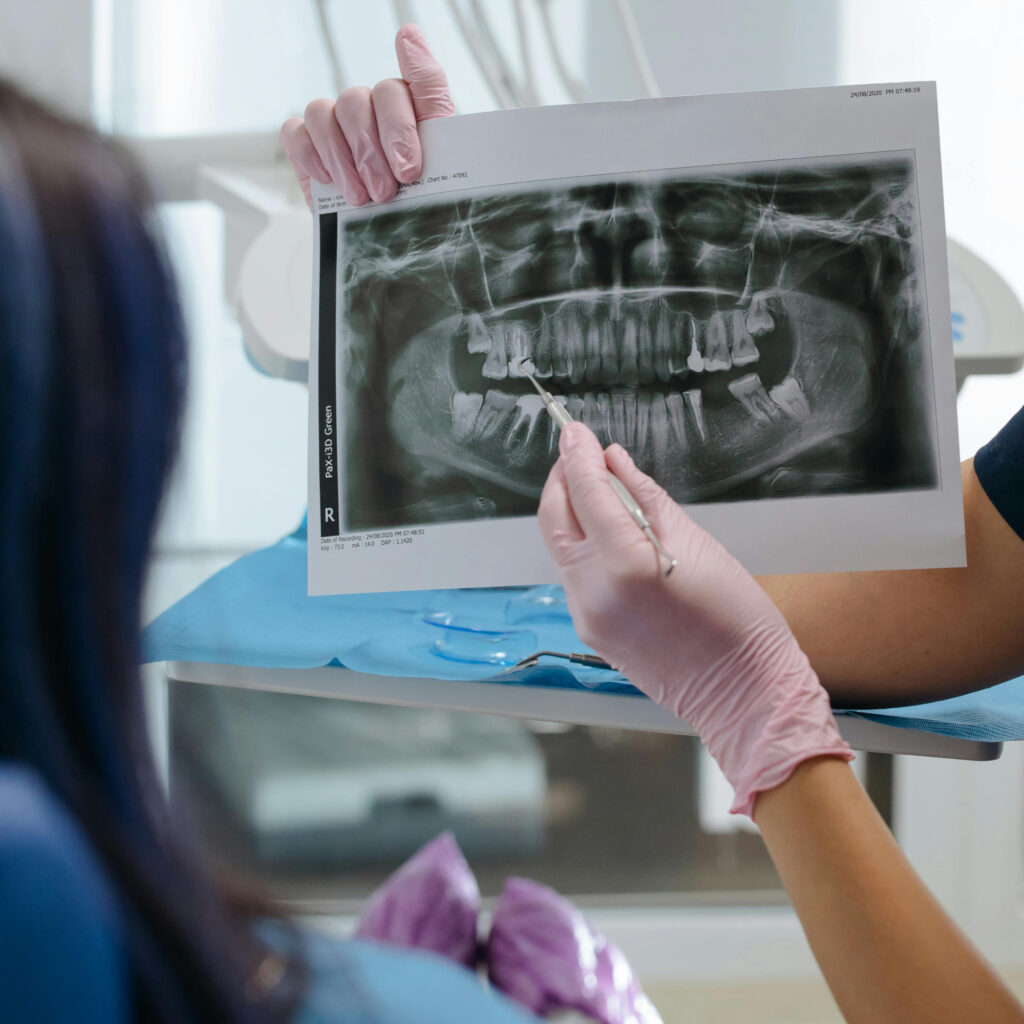
From there, many dentists create a wax-up or digital mock-up to preview the proposed changes. This planning phase can save enormous disappointment later. It is much easier to refine length, shape, and brightness before porcelain is made than after the case is bonded.
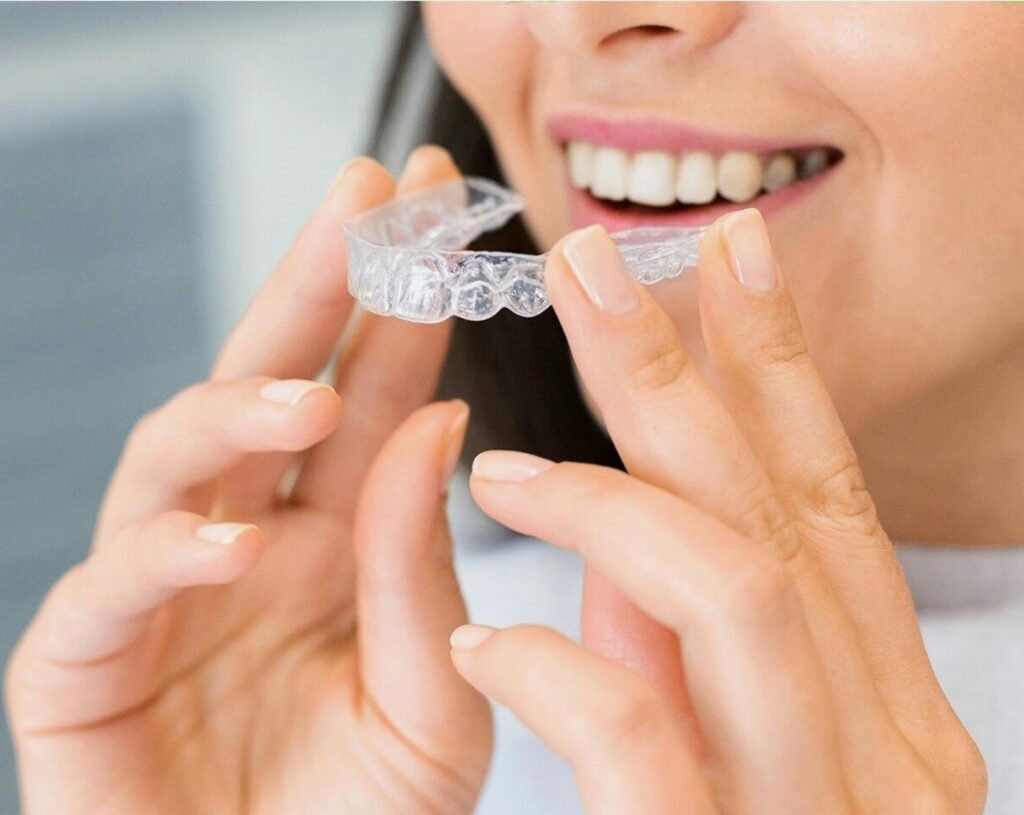
Preparation may be minimal, but not always. Some veneers require a small amount of enamel reduction so the porcelain can sit naturally without making the teeth look bulky. Temporary veneers are often worn while the final ones are fabricated. They are not perfect replicas, but they can give the patient a sense of length, phonetics, and overall appearance.
At the bonding appointment, the dentist checks fit, shade, contours, and bite before permanently placing the veneers. That last step matters more than many patients realize. A veneer that looks beautiful in isolation can fail quickly if it hits too hard during chewing or grinding.
The advantages that make veneers attractive
Veneers have a reputation for delivering dramatic cosmetic change, and that reputation is deserved in selected cases. Their biggest strength is control. With whitening, you are working with the tooth you have. With veneers, you are redesigning the visible surface.
That control offers several distinct advantages:
- They can mask deep or resistant stains more reliably than whitening alone.
- They can improve color and shape at the same time.
- Porcelain veneers resist future staining better than natural enamel and composite.
- They can create a more even smile when discoloration is mixed with chips, small gaps, or minor irregularity.
- The result can look very natural when planned and fabricated well.
For the right patient, that combination is hard to match. Someone with long-term discoloration may spend years trying whitening systems that never quite solve the problem. Veneers can change not only the shade of the teeth, but the whole visual impression of the smile.
The trade-offs patients should understand clearly
Cosmetic dentistry goes wrong most often when the benefits are explained enthusiastically and the trade-offs are rushed. Veneers are not reversible in the casual sense people often imagine. Even minimal-prep cases usually involve some alteration to the enamel, and once the treatment path is chosen, it commits the tooth to ongoing restorative care over time.
They also require maintenance. Porcelain itself resists staining well, but the margins where veneer and tooth meet still need excellent hygiene. Gum recession can expose edges. Bonding can fail. Veneers can chip or crack under enough force. A person who clenches at night may need a protective guard, not as an optional extra, but as part of preserving the investment.
Cost is another real consideration. Well-made veneers are expensive because they involve planning, preparation, materials, laboratory artistry, and chair time. Cheap cosmetic work often looks cheap, or worse, it looks acceptable on day one and fails in ways that are expensive to correct.
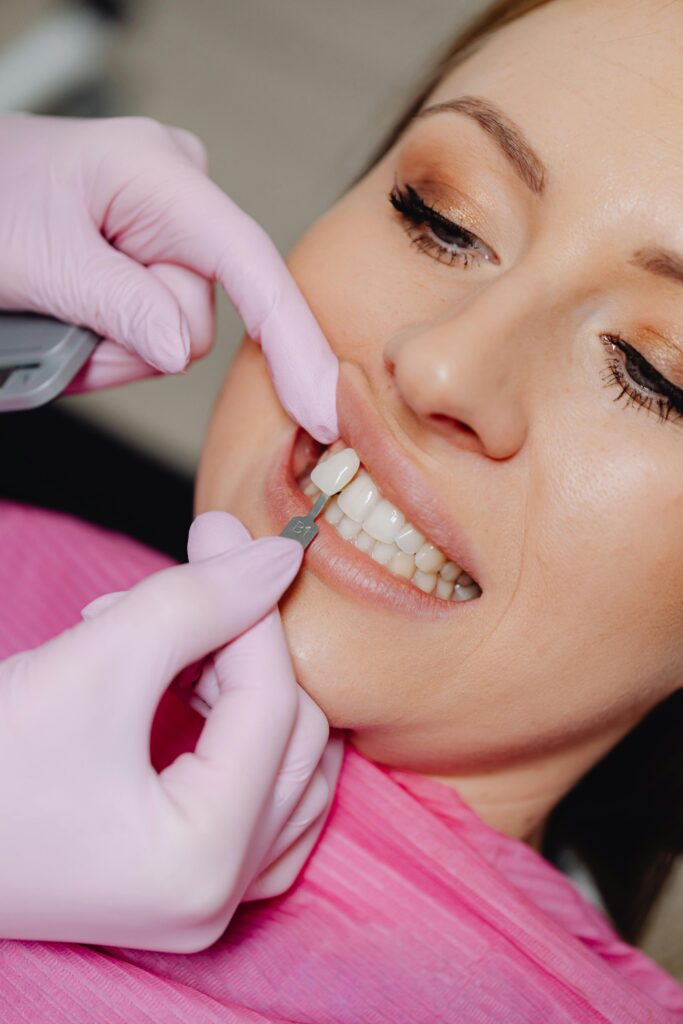
Color matching creates another nuance. If only a few front teeth receive veneers, the dentist must harmonize them with adjacent natural teeth. That can be challenging if the surrounding teeth are also stained. Sometimes whitening is done first so the natural teeth can be brightened, then veneers are matched to the improved baseline. Timing matters here because teeth can dehydrate during procedures and appear lighter temporarily.
Patients should also understand that veneers do not strengthen unhealthy teeth in a magical way. If a tooth is heavily restored, structurally weak, or has significant decay, a crown or another treatment may be more suitable. Cosmetic goals never replace sound restorative judgment.
Veneers versus whitening, bonding, and crowns
People shopping for cosmetic dentistry often compare options as if they are interchangeable. They are not. Each one solves a different level of problem.
Whitening is the least invasive option for generalized yellowing or mild staining, especially when enamel is intact and tooth shape already looks good. It is often the best first move because it preserves natural structure and may provide all the improvement a patient needs.
Bonding can be useful for selective discoloration, small chips, or shape refinement. It is more affordable and easier to repair than porcelain, but it is also more prone to staining and wear. For younger patients or small corrections, it can be a very reasonable choice.
Crowns cover the entire tooth and are usually reserved for teeth that need more structural protection. They can certainly improve color, but they should not be used in place of veneers when the issue is purely cosmetic and the tooth is otherwise healthy.
Veneers sit in the middle of that spectrum. They are more invasive than whitening and usually more durable and stain-resistant than bonding. They are also more conservative than full crowns when the tooth does not need circumferential coverage.
How many teeth need veneers for a natural result?
This is a more personal question than many realize. Some patients need only one or two veneers, especially after trauma or when managing a single discolored tooth. Others need six, eight, or ten in the smile zone to create a uniform appearance across the visible front teeth.
The number depends on smile width, lip line, tooth display, and the degree of contrast between treated and untreated teeth. A person with a broad smile may show far more teeth than someone else, which means stopping treatment too early can create an obvious boundary between bright porcelain and darker natural teeth.
A careful dentist will not simply sell a standard number. They will look at where the eye travels when you smile. That is what determines whether a result feels seamless.
The importance of shade, translucency, and restraint
One of the most common mistakes in cosmetic dentistry is confusing whiteness with beauty. Real teeth have depth. They reflect and transmit light in complex ways. A smile that is too opaque can look like a row of tiles, especially in daylight.
For stained teeth, there is often a temptation to choose an extremely bright shade to escape the old discoloration once and for all. Sometimes that works, particularly if it suits the patient’s skin tone, age, and aesthetic preferences. Often, though, a slightly softer brightness looks more elegant and more believable over time.
Porcelain thickness also matters when masking dark underlying teeth. If the tooth underneath is very discolored, the veneer may need enough opacity to block that color without becoming chalky. That is a subtle technical challenge. It is one reason severe stain cases benefit from an experienced cosmetic team rather than a rushed, one-size-fits-all approach.
Longevity, maintenance, and what real life looks like
Patients naturally want a number. How long do veneers last? There is no universal answer, but porcelain veneers often last many years when they are well planned, properly bonded, and cared for. Some last a decade or longer. Others need replacement sooner because of bite forces, edge chipping, gum changes, accidents, or original design issues.
Lifestyle affects longevity more than marketing brochures suggest. Someone who chews ice, opens packages with their teeth, grinds heavily, or skips recall visits should expect a shorter service life. Someone with stable habits, excellent hygiene, and a protective night guard may enjoy a very durable result.
Maintenance is straightforward, but it matters:
- Brush and floss carefully around the margins every day.
- Wear a night guard if you clench or grind.
- Keep up with regular cleanings and exams.
- Avoid using your teeth as tools.
- Address chips, bite changes, or gum irritation early.
Porcelain does not decay, but the tooth beneath it still can. That is why maintenance is not cosmetic fussiness. It is routine dental stewardship.
Emotional impact, which is real and often underestimated
The aesthetic change from veneers is easy to photograph. The social and emotional change is harder to measure, but often more meaningful. Patients who have hidden stained teeth for years often report that they stop thinking about their smile all day long. They laugh more freely. They speak without self-monitoring. They agree to photos without asking to stand in the back.
That should not be dismissed as vanity. Smiling is a social signal. When people hold it back because they are embarrassed by discoloration, it changes interactions in subtle ways. Cosmetic dentistry is not essential medical care in the same way infection treatment or pain relief is, but its psychological effect can still be substantial.
At the same time, expectations need to be grounded. Veneers can improve a smile dramatically. They cannot solve perfectionism, body dysmorphia, or the unrealistic standards created by edited celebrity images. The best consultations make room for both hope and realism.
How to decide whether veneers are right for you
The decision usually becomes clearer when a consultation moves beyond the simple question of whether veneers can work and starts asking what problem actually needs solving. If the issue is stain alone, whitening may be enough. If the issue is severe discoloration plus shape concerns, veneers may offer the most elegant solution. If the issue is a single damaged tooth, a targeted restoration may be smarter than a broad cosmetic plan.
A worthwhile consultation should cover diagnosis, options, limitations, maintenance, and previewing the likely result. If a dentist rushes to recommend veneers without discussing alternatives, that is a sign to slow down. Good cosmetic dentistry is not about selling the biggest treatment. It is about matching the treatment to the problem.
Before moving forward, it helps to ask a few practical questions. How much tooth reduction will be required? What happens if one veneer chips years from now? Will the dentist create a mock-up or trial smile? How will the final shade be chosen in relation to your skin tone, age, and neighboring teeth? These questions reveal how thoughtfully the case is being approached.
So, can veneers transform a stained smile?
Yes, often impressively so. For the right patient, veneers can do far more than make teeth whiter. They can mask discoloration that bleaching cannot fix, refine shape and proportion, and create a smile that looks brighter, healthier, and more balanced. In that sense, they absolutely can be transformative.
But the transformation is not just about porcelain. It depends on diagnosis, planning, restraint, and craftsmanship. Veneers are at their best when they solve a real problem that simpler treatments cannot solve well enough. They are at their worst when used carelessly, made too white, too bulky, or placed on teeth that were not good candidates to begin with.
If stained teeth have been bothering you for years, veneers may be worth serious consideration. Just make sure the decision is based on your teeth, your goals, and your long-term oral health, not on glossy before-and-after photos alone. The most successful smile transformations rarely look flashy. They look natural, confident, and entirely at home on the face wearing them.
Oaks Dental
Address: 5000 Parkway Calabasas Ste 308, Calabasas, CA 91302
Phone number: +18184312000
FAQ About Veneers
How much do veneers actually cost?
The cost of dental veneers typically ranges from $250 to $2,500 per tooth, with a full smile transformation averaging anywhere from $6,000 to $20,000 depending on the material you choose. Because veneers are classified as a elective cosmetic procedure, dental insurance almost never covers them.
What is the downside of having veneers?
The main downside of dental veneers is that the process is permanent and irreversible, as a dentist must shave off a thin layer of natural tooth enamel. Other major drawbacks include increased tooth sensitivity, high financial costs, and the need to replace them every 10 to 15 years.
What happens to the teeth under veneers?
When you get veneers, a dentist shaves off a thin layer of your natural tooth enamel (about 0.3 to 0.7 millimeters). The living tooth stays intact underneath, but losing this outer layer is permanent. The tooth relies on the veneer shell for lifelong protection and cannot be left bare.